
Glimepiride,
does it really help with Reduction of fasting and postprandial glucose and HbA1c in type 2 diabetes inadequately controlled with diet and exercise?
research showsGlimepiride is rated C because it substantially lowers fasting glucose, postprandial glucose, and HbA1c in type 2 diabetes inadequately controlled by diet, but these measures are unvalidated surrogates for clinical-event prevention. In a 249-participant multicenter placebo-controlled trial, it lowered fasting glucose by 46 mg/dL, HbA1c by 1.4 percentage points, and two-hour postprandial glucose by 72 mg/dL more than placebo. In CAROLINA, the hazard ratio for three-point MACE versus linagliptin was 0.98, a noninferiority and neutral result that did not establish hard-outcome benefit from glimepiride. The UGDP concern is a historical controversy involving first-generation tolbutamide, not direct evidence of harm from glimepiride and not a harm judgment here. Under the rule 1 ceiling, the large glycemic effects support C with 56 points, while hypoglycemia and weight gain remain separate safety issues.
ads claimStrong HbA1c lowering can be expanded into prevention of myocardial infarction, stroke, or kidney disease, or into long-term treatment without hypoglycemia. Glimepiride's strengths are cost and established glucose lowering; patients with cardiovascular or kidney disease should also compare options with proven hard-outcome benefits.
Useful facts when choosing a product
- Glimepiride is a sulfonylurea that stimulates insulin secretion from pancreatic beta cells, so it is used in type 2 diabetes with residual endogenous insulin secretion and is not a treatment for type 1 diabetes or diabetic ketoacidosis.
- It is commonly prescribed once daily with breakfast or the first main meal, and taking it without regular meals or skipping food increases hypoglycemia risk unless glucose is monitored and the plan is adjusted.
- Hypoglycemia and weight gain are the principal harms, and patients and caregivers should recognize sweating, tremor, palpitations, and confusion and know how to respond.
- Older adults and people with kidney or liver impairment can have prolonged or atypical hypoglycemia and generally require a low starting dose and close monitoring.
What the research actually shows
Schade and colleagues assigned 249 people with type 2 diabetes inadequately controlled by diet and screening fasting glucose of 151 to 300 mg/dL to once-daily glimepiride 1 to 8 mg or placebo. After ten weeks of titration and twelve weeks of maintenance, placebo-adjusted changes were -46 mg/dL for fasting glucose, -1.4 percentage points for HbA1c, and -72 mg/dL for two-hour postprandial glucose; HbA1c at or below 7.2% was achieved by 69% versus 32%. CAROLINA randomized 6,042 patients at increased cardiovascular risk to linagliptin or glimepiride and analyzed 6,033 over a median 6.3 years. Cardiovascular death, nonfatal myocardial infarction, or nonfatal stroke occurred in 11.8% versus 12.0%, HR 0.98 (95.47% CI 0.84 to 1.14), while hypoglycemic adverse events occurred in 10.6% versus 37.7%, respectively.
Why this is classified as C (56)
Placebo-controlled reductions of 46 mg/dL in fasting glucose, 1.4 percentage points in HbA1c, and 72 mg/dL in two-hour postprandial glucose establish large glycemic effects, but all are surrogates unvalidated for clinical-event benefit. CAROLINA's three-point MACE HR of 0.98 versus linagliptin was a noninferiority and neutral result, not proof of hard benefit from glimepiride. The UGDP concern involved first-generation tolbutamide and is neither direct glimepiride harm evidence nor a harm judgment here. Crediting the large surrogate effects within the rule 1 ceiling yields C with 56 points; hypoglycemia and weight gain remain separate safety issues.
Counterpoint. Glycemic targets and drug selection should be individualized for age, hypoglycemia risk, weight, cost, and cardiovascular or kidney disease; better numbers do not automatically imply an equal reduction in complications.
Rejudgment record. Consistency recalibration (rule 1 surrogate clarification) — Credited the large HbA1c, fasting-glucose, and postprandial-glucose reductions in a 249-participant placebo-controlled trial but classified them as unvalidated surrogates; applied the rule 1 ceiling of C because CAROLINA's three-point MACE HR of 0.98 versus linagliptin was noninferior and neutral rather than proof of hard benefit from glimepiride, while not treating the historical first-generation tolbutamide UGDP concern as direct glimepiride harm evidence
Sub-claim grades by effect
This ingredient is marketed for several effects. A single overall grade blends strong and weak claims together, so each effect is graded separately here. The overall grade reflects the strongest disconfirming or core claim.
| Effect (sub-claim) | Grade | Basis |
|---|---|---|
| HbA1c reduction in type 2 diabetes inadequately controlled by diet and exercise | C | A placebo-controlled trial lowered HbA1c by 1.4 percentage points more than placebo, with target achievement of 69% versus 32%. |
| Fasting-glucose reduction in type 2 diabetes inadequately controlled by diet and exercise | C | The placebo-adjusted fasting-glucose reduction in the same randomized trial was 46 mg/dL. |
| Postprandial-glucose reduction in type 2 diabetes inadequately controlled by diet and exercise | C | It lowered two-hour postprandial glucose by 72 mg/dL more than placebo, but this glycemic effect cannot be expanded into cardiovascular or kidney protection. |
Cross-check — Codex and Claude
Evidence Table
| Study | Design | Sample | Funding | Endpoint | Result | Weight |
|---|---|---|---|---|---|---|
| Study 1 | Multicenter randomized placebo-controlled dose-titration trial | 126 | Specific funding was not stated in the PubMed abstract; indexed as non-U.S. government support | Fasting glucose, HbA1c, two-hour postprandial glucose, and target-HbA1c achievement | Glimepiride lowered fasting glucose by 46 mg/dL, HbA1c by 1.4 percentage points, and postprandial glucose by 72 mg/dL more than placebo; 69% versus 32% reached HbA1c at or below 7.2%. | Pivotal placebo-controlled randomized evidence directly matching all three claimed outcomes |
| Study 2 | Randomized double-blind active-controlled cardiovascular noninferiority trial in 43 countries | 3 | Sponsored by Boehringer Ingelheim and Eli Lilly; the sponsor participated in design, conduct, analysis, and manuscript preparation | Cardiovascular death, nonfatal myocardial infarction, nonfatal stroke, and hypoglycemia | Major cardiovascular events with linagliptin versus glimepiride were 11.8% versus 12.0%, HR 0.98 (95.47% CI 0.84 to 1.14), meeting noninferiority; hypoglycemia occurred in 10.6% versus 37.7%. | Large long-term cardiovascular-safety support; not evidence of superior cardiovascular efficacy |
Receipt — 2 References
All 2 cited sources were verified for existence at the original page (as of 2026-07-23).
Reviewed and approved: Chamgap Editorial Team · Approval date: 2026-07-23 · Corrections: none
Cite this verdict
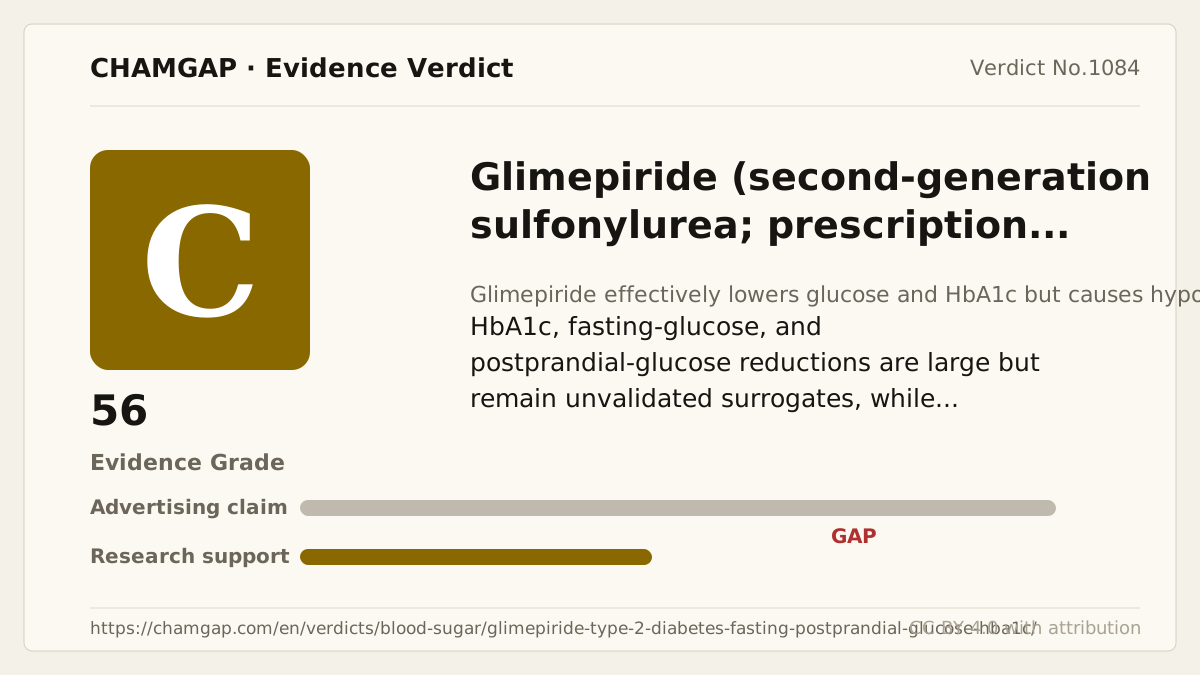
[Chamgap] Glimepiride x reduction of fasting and postprandial glucose and HbA1c in type 2 diabetes — Evidence Grade C·56. 2 cited sources checked. Source: https://chamgap.com/en/verdicts/blood-sugar/glimepiride-type-2-diabetes-fasting-postprandial-glucose-hba1c/ · CC BY 4.0CC BY 4.0 — free to use with attribution; do not distort grades, numbers, or verdict meaning.
What this document does and does not do
Chamgap is an information source. It reports what research has and has not confirmed; it does not tell readers what to take or buy. That decision belongs to readers and, when needed, medical or legal professionals. This verdict reflects literature available up to the search date and may change as new research appears. Nothing here is medical advice.